How it Works

An Organic Pool has got to be the most magical addition to a home.
A Haven for Wildlife:
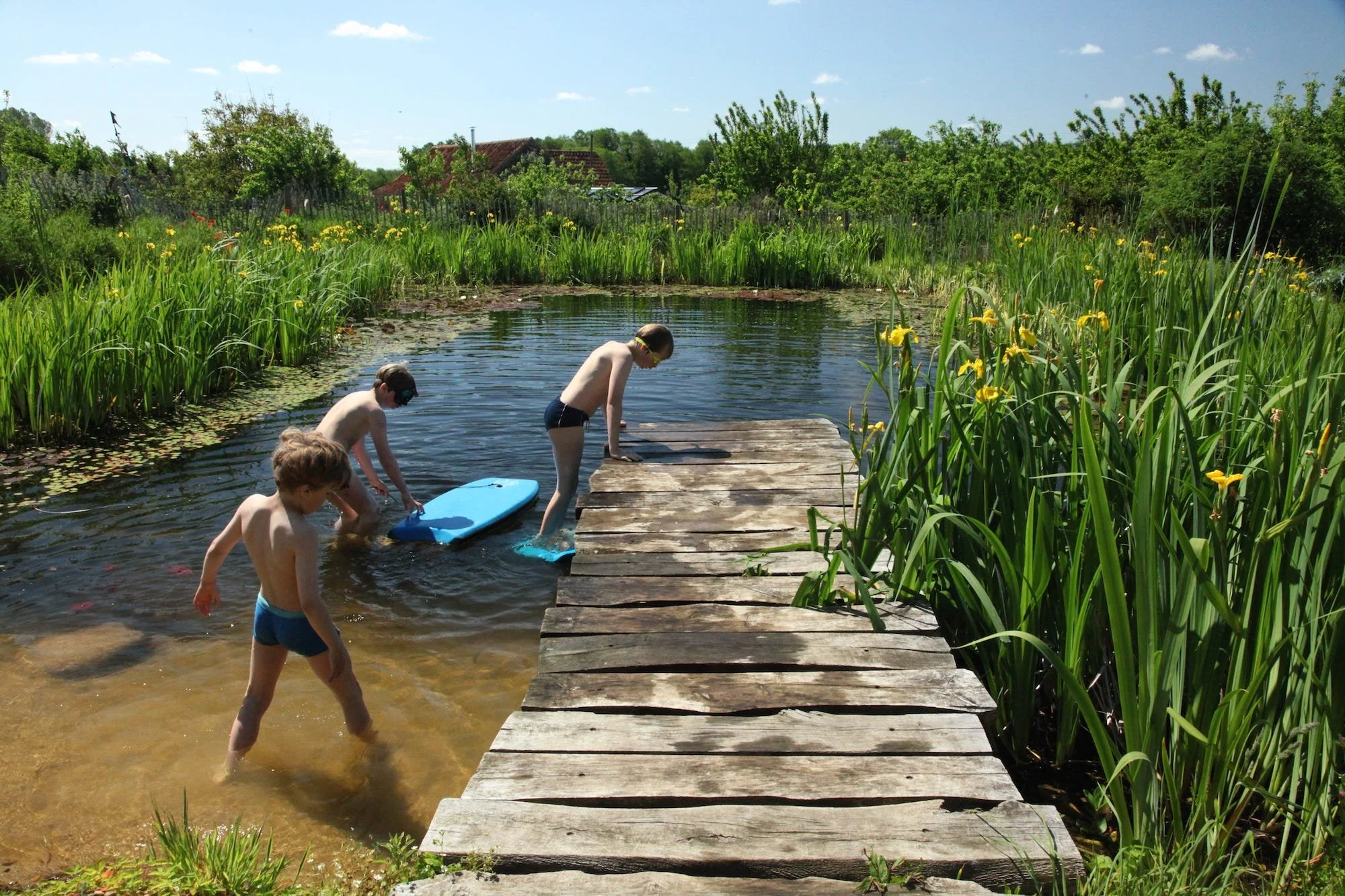
It is a beautiful place to observe nature throughout the seasons, bringing us closer to wildlife. The multitudes of species that now live in the pond are an endless fascination to my children, who spend hours observing them from the small jetty which traverses the shallows, dangling down their nets to catch water-boatmen or dragonfly larvae for a close-up look at these incredible creatures.
Then come the birds, visiting the pond in the morning and evening. The grey wagtails, skylarks, dunnocks, gold finches and the formations of swallows circling and skimming the surface to drink or bouncing with delicious splashes to bathe. Dragonflies patrol, snapping up crane flies and cabbage white butterflies and buzzing into skirmishes with intruders. House martins peck at the water’s edge collecting mud for nests. Bats flit in and out of their invisibility cloaks in the evening glow reflected on the pond. And sometimes, in the skidding sunbeams of the morning, I may catch the iridescence of a kingfisher feeding on water beetles.
This pond has become another stepping-stone for wilderness. Local native flora and fauna has found its way in and flourished, increasing local biodiversity. And if we create more ponds we will contribute to re-establishing our countryside’s diminishing freshwater network.
The Structure:
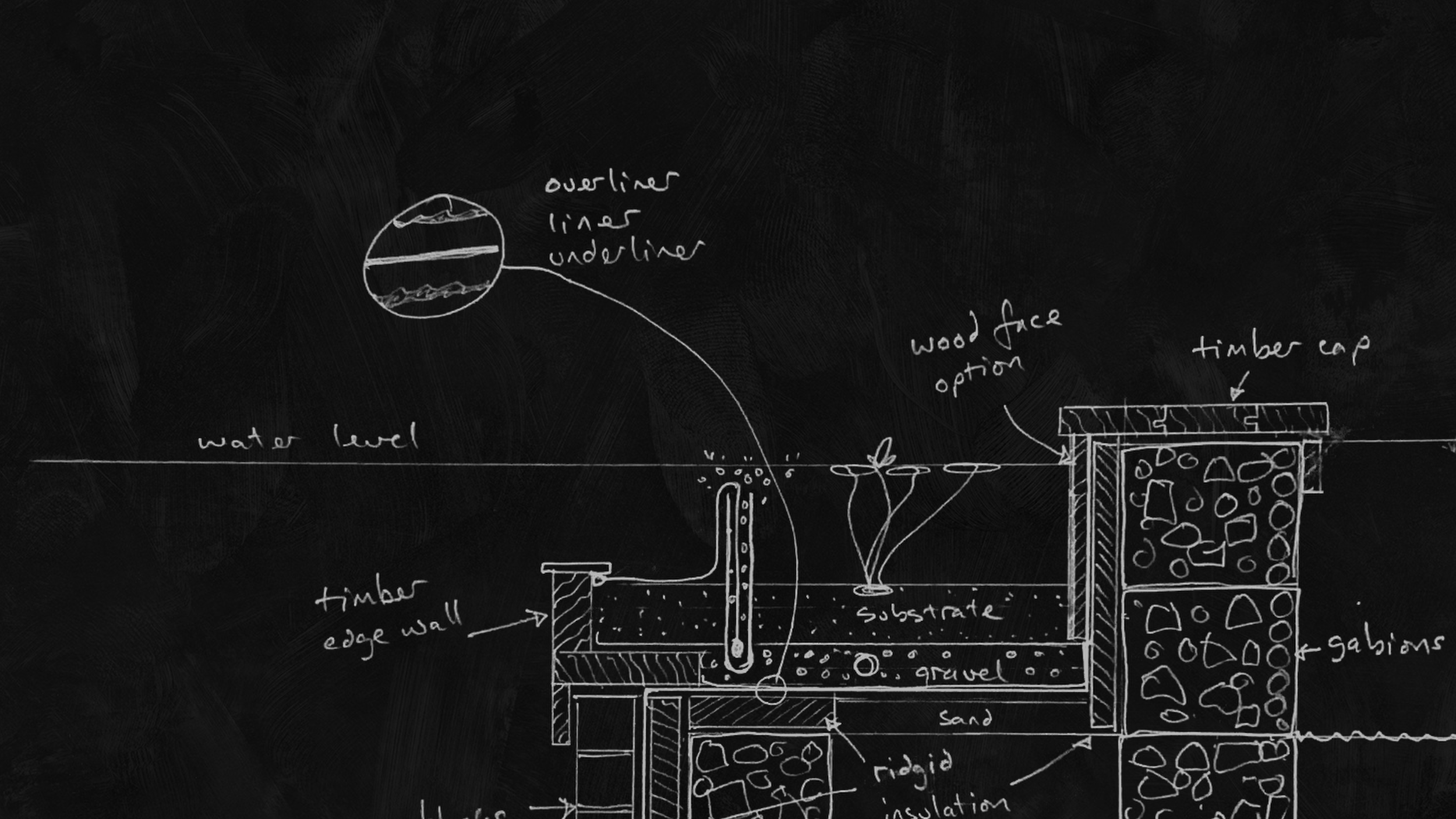
In the Organic pool, the area is divided into two sections, the swimming zone and the regeneration zone. The regeneration zone contains the plants so is also referred to as the planted zone.
The planted zone should represent at least half of the total area of the pool, and it is here that most of the water conditioning occurs. The water is circulated, either naturally or mechanically, throughout the whole pool.
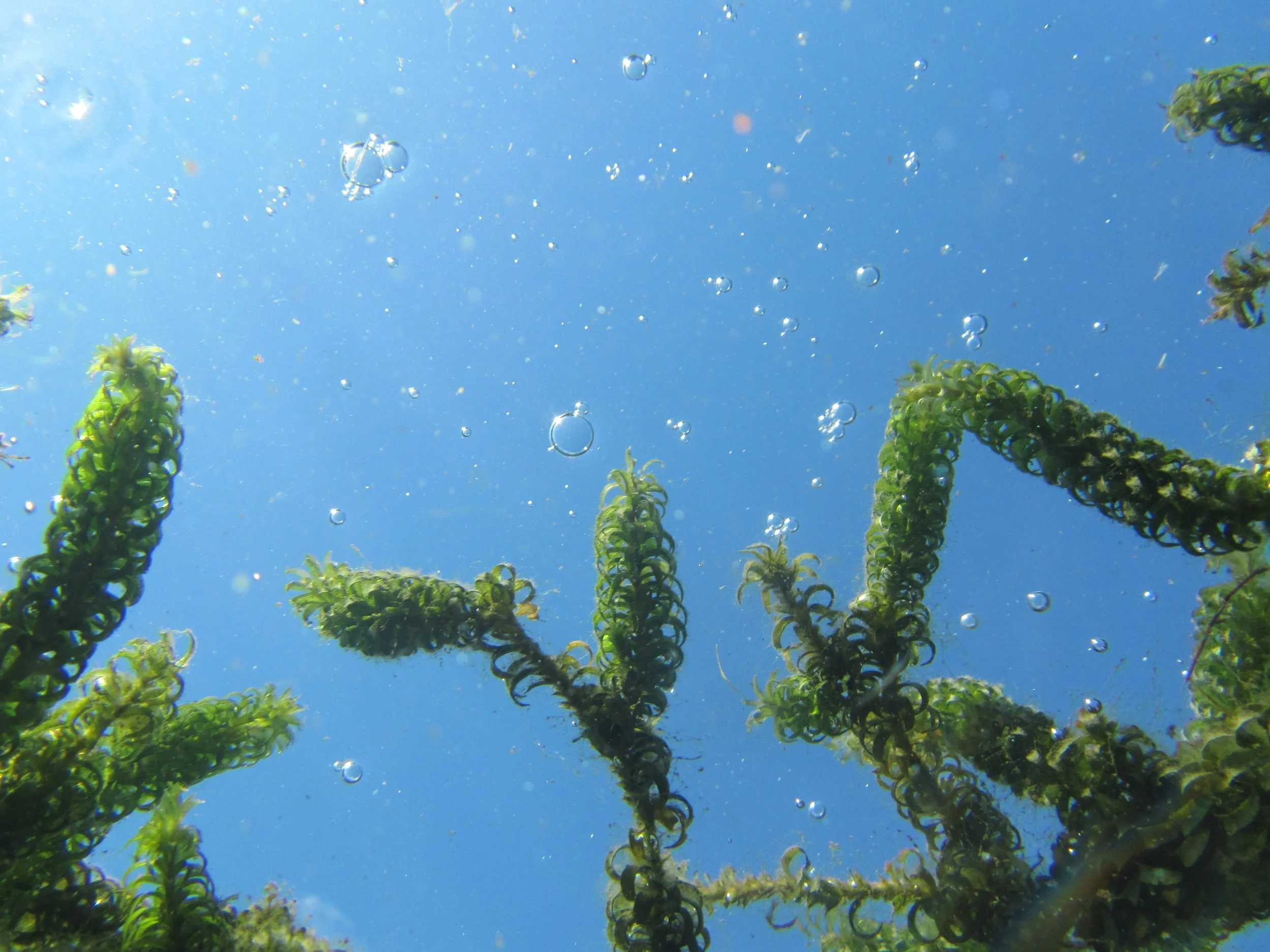
Organic Pools (Natural Swimming Pools), work with nature to provide clean healthy water for swimming. Plants and animals in the pond condition the water without the use of chlorine or other disinfectants.
The water doesn’t sting your eyes, bleach your skin, corrode your teeth or make your swimming trunks fall apart. Instead, the water holds a vibrant and diverse ecosystem, teeming with micro-organisms that constantly filter and devour any human pathogen that has the misfortune to plop in.
Swimming Safely
The main difference between a pond and an Organic Pool or swimming pond is having a swimming zone that can be kept free from weeds and sediment. The big reason for this is safety. Swimmers need to be visible at all times, especially children. Swimming in a wild pond can stir up sediments from the bottom and quickly reduce the water visibility to zero. If the pool is deep, although disturbing the bottom is less likely, the lower levels of water can be extremely cold which is another hazard.
A swimming pond, with a smooth bottom to facilitate cleaning and a depth of around two metres is a far safer way to swim.
Learn More: